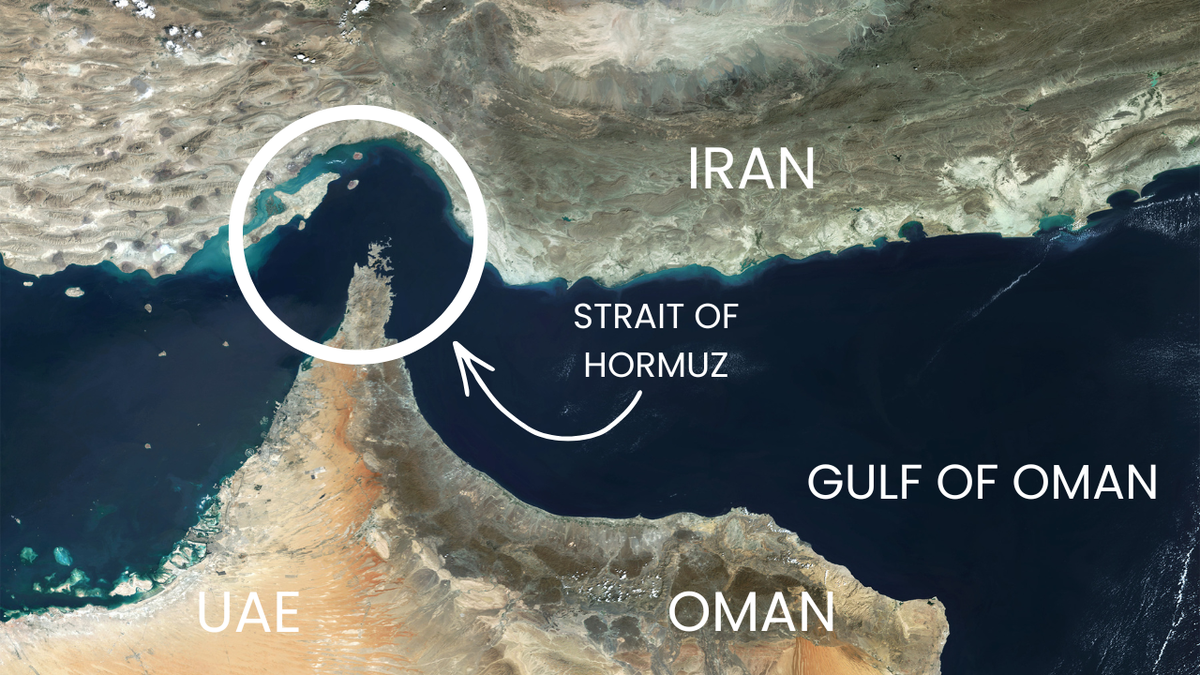
Strait of Hormuz: A Tense Chokepoint on the Brink
The Strait of Hormuz, a narrow waterway connecting the Persian Gulf to the open ocean, is once again at the epicenter of escalating geopolitical tensions. Recent military maneuvers and increasingly belligerent rhetoric between the United States and Iran have turned this critical maritime chokepoint into a global flashpoint, with potentially far-reaching consequences for international trade, energy markets, and regional stability.
The World's Oil Tap
To understand the gravity of the current situation, one must appreciate the strategic importance of the Strait of Hormuz. Approximately one-fifth of the world's total petroleum consumption, including nearly all of the oil produced by Saudi Arabia, Iran, UAE, Kuwait, and Iraq, passes through this 21-mile-wide passage daily. Any significant disruption to shipping in the Strait would have an immediate and dramatic impact on global oil prices, potentially triggering an economic crisis.
Historically, the Strait has been a stage for various confrontations, most notably during the Iran-Iraq War in the 1980s, when both sides attacked oil tankers. Iran, in particular, has long viewed its ability to threaten or close the Strait as a strategic lever against external pressures and a deterrent against military action.
Escalating Tensions: A Dangerous Dance
The current surge in tensions stems from a confluence of factors, including the broader US-Israel-Iran conflict in the Middle East. Recent reports from Google News indicate a sharp increase in military activity. The United States has confirmed significant operations, with reports citing the destruction of multiple Iranian minelayers near the Strait and "the most intense strikes of the war" by the Pentagon against Iranian targets. These actions suggest a determined effort by the US to counter perceived Iranian threats to maritime navigation and regional interests.
Iran, for its part, has not remained silent. While specific details can be murky amidst the fog of war, Iranian officials have reportedly issued warnings, including threats to block oil shipments through the Strait should its own interests be threatened or if it faces further military aggression. Such a move would be a severe escalation, directly impacting the global energy supply.
The involvement of various actors, with the US providing support to Israel and simultaneously confronting Iran's activities, creates a complex and volatile environment. Each action by one party elicits a reaction from another, creating a dangerous cycle that risks spiraling out of control.
Global Implications: More Than Just Oil
The ramifications of a full-blown crisis in the Strait of Hormuz extend far beyond the immediate region and the price of crude oil.
Economic Impact: Beyond oil, the Strait is a conduit for vast amounts of liquefied natural gas (LNG) and other goods. A closure or severe disruption would not only send energy prices skyrocketing but also impact global supply chains, leading to inflation and potentially a worldwide recession. Insurance premiums for shipping through the region are already likely to be increasing, adding to operational costs.
Regional Instability: The current situation exacerbates existing instability in the Middle East. Increased military presence and confrontational postures raise the risk of miscalculation or accidental engagement, which could quickly ignite a wider regional conflict involving multiple powers. Neighboring states, heavily reliant on the Strait for their economic lifelines, would face immense pressure and potential spillover effects.
International Relations: The crisis also tests the resolve and alliances of international players. The need to maintain freedom of navigation in international waters is a principle upheld by many nations, yet direct intervention carries significant risks. The diplomatic efforts to de-escalate will be crucial but face steep challenges given the deep-seated animosities and competing strategic objectives.
A Path Forward?
The situation in the Strait of Hormuz remains precariously balanced. The immediate focus is on preventing further escalation through a combination of deterrence and diplomatic engagement, however difficult the latter may be. For the world, the ongoing tensions serve as a stark reminder of the fragility of global energy supply lines and the interconnectedness of geopolitical stability with economic well-being. As long as this vital artery remains under such intense pressure, the world will be watching with bated breath.
Disclaimer: This analysis is based on publicly available information and trending news reports as of March 11, 2026. The situation is highly dynamic and subject to rapid change.


