Uber and Zoox Forge Strategic Robotaxi Partnership: A New Era for Autonomous Ride-Hailing
Introduction
The autonomous vehicle industry reached a significant milestone this week as Uber Technologies announced a multi-year strategic partnership with Zoox, Amazon's self-driving vehicle subsidiary. This landmark deal will bring Zoox's purpose-built robotaxis to Uber's ride-hailing platform, beginning with Las Vegas this summer and expanding to Los Angeles in 2027. The collaboration represents a major step forward in making autonomous ride-hailing commercially viable at scale.
The Partnership Details
Strategic Alignment: The partnership brings together Uber's massive rider network (over 130 million monthly active users) with Zoox's cutting-edge autonomous vehicle technology. Unlike previous autonomous vehicle experiments that involved retrofitting existing vehicles, Zoox has developed purpose-built robotaxis from the ground up specifically for ride-hailing services.
Deployment Timeline: The rollout will occur in phases:
- Phase 1 (Summer 2026): Initial deployment in Las Vegas, leveraging Zoox's existing operational experience in the city
- Phase 2 (2027): Expansion to Los Angeles, a significantly larger and more complex urban environment
- Future Markets: The multi-year agreement includes provisions for additional cities as regulatory approval and technological readiness permit
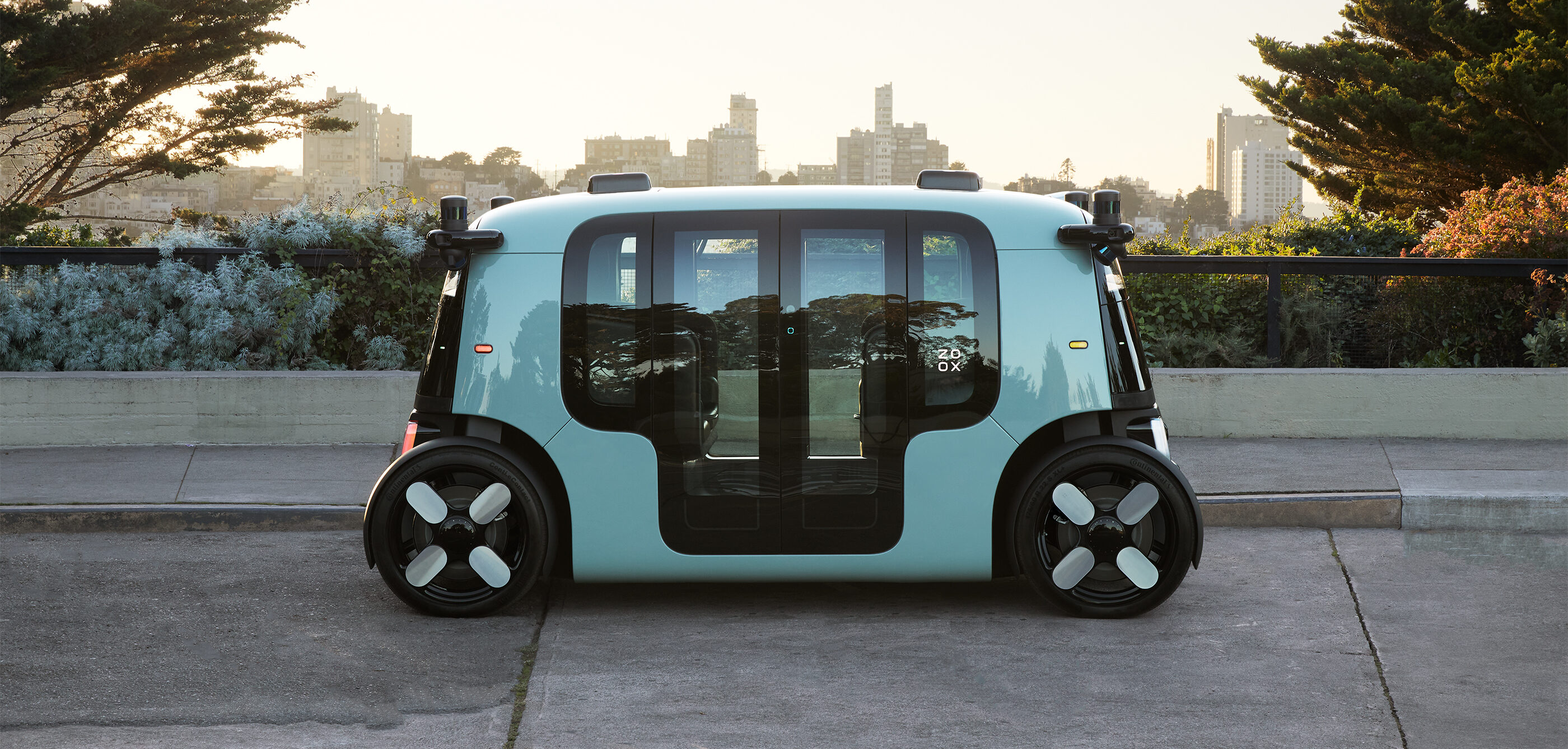
Vehicle Characteristics: Zoox's vehicles are distinctive "toaster-shaped" robotaxis designed without steering wheels or traditional driver controls. They feature bidirectional driving capabilities (no need to turn around) and sensor suites optimized for urban environments. Each vehicle includes passenger-facing screens for entertainment and trip information, creating a differentiated rider experience.
Technological Implications
Sensor Fusion Architecture: Zoox employs a sophisticated sensor fusion system combining LiDAR, radar, and cameras to create high-definition 3D maps of operating environments. The partnership will provide valuable real-world data from Uber's ride patterns to optimize routing and deployment strategies.
AI Decision-Making: The vehicles utilize advanced machine learning algorithms for path planning, obstacle detection, and predictive behavior modeling. Uber's extensive historical trip data will help train these systems for peak efficiency during high-demand periods.
Safety Systems: Each vehicle includes redundant braking, steering, and compute systems alongside extensive remote monitoring capabilities. Safety drivers will initially accompany vehicles during the Las Vegas deployment phase, with plans to transition to fully driverless operations as confidence builds.
Market Impact and Competitive Landscape
Ride-Hailing Economics: Autonomous vehicles promise to transform ride-hailing economics by reducing the largest operational cost: human drivers. While upfront vehicle costs remain high, the partnership signals confidence in long-term cost competitiveness against traditional ride-hailing and personal vehicle ownership.
Competitive Response: The deal pressures competing autonomous vehicle initiatives:
- Waymo: Already operates commercial robotaxi services in Phoenix and San Francisco through its own app
- Cruise: Slowly resuming operations under GM's supervision after safety incidents
- Tesla: Continuing development of its "Robotaxi" platform with different technical approach
Amazon's Ecosystem Integration: As an Amazon subsidiary, Zoox benefits from cloud infrastructure (AWS), logistics expertise, and potential future integration with Amazon's delivery services. This creates possibilities for multimodal transportation solutions combining passenger and package movement.
Regulatory and Urban Planning Considerations
Regulatory Progress: The partnership arrives amid accelerating regulatory frameworks for autonomous vehicles. Nevada and California have established permitting processes, though Los Angeles represents a more complex regulatory environment requiring additional approvals.
Infrastructure Adaptation: Cities will need to consider dedicated pickup/dropoff zones, charging infrastructure, and traffic management systems optimized for autonomous fleets. The phased approach allows municipalities time to develop appropriate policies and infrastructure.
Public Acceptance: Initial rider feedback from Las Vegas deployments will influence public perception and regulatory decisions in other markets. Uber's brand recognition may accelerate acceptance compared to standalone autonomous vehicle services.
Economic and Environmental Projections
Cost Reduction Trajectory: Analysts project autonomous ride-hailing could eventually cost 50-70% less than current human-driven services during peak adoption. The partnership accelerates this timeline through shared development costs and operational scale.
Environmental Benefits: Electric autonomous fleets promise significant reductions in transportation emissions. Zoox's vehicles are fully electric, aligning with Uber's commitment to become a zero-emissions platform by 2030.
Employment Transition: The partnership includes provisions for driver transition programs, recognizing the need to support professional drivers as automation advances. Uber has committed $300 million to driver upskilling and transition initiatives over the next decade.
Future Outlook and Industry Implications
Technology Spillover: Advances from this partnership will influence broader autonomous vehicle development, particularly in urban navigation, passenger experience design, and fleet management systems.
Partnership Model: The Uber-Zoox collaboration establishes a template for technology companies partnering with mobility platforms rather than building competing consumer-facing applications.
Timeline to Profitability: Most analysts project autonomous ride-hailing achieving profitability between 2028-2030. This partnership positions both companies to capture early market share as the economics improve.
Global Expansion Potential: Successful North American deployment could lead to international expansion, particularly in markets with supportive regulations like Singapore, UAE, and certain European cities.
Conclusion
The Uber-Zoox partnership represents more than just another autonomous vehicle pilot—it's a strategic alignment that could accelerate the commercialization of robotaxis by several years. By combining Uber's massive user base with Zoox's purpose-built vehicle technology, the collaboration addresses key challenges of scale, user acquisition, and operational efficiency that have hindered previous autonomous vehicle initiatives.
As the first robotaxis appear on Uber's app this summer, we'll witness the beginning of a fundamental transformation in urban mobility. The success of this partnership will not only determine the trajectory of both companies but will shape regulatory approaches and public acceptance of autonomous transportation for years to come.
The road to fully autonomous mobility still contains challenges, but with this strategic partnership, the destination appears significantly closer on the horizon.


