The days of fumbling for change at Zimbabwe's tollgates are numbered. ZINARA has broken ground on dedicated e-Tag express lanes — RFID-enabled corridors where vehicles fitted with a windscreen sticker sail through without stopping, the boom gate lifting automatically as the tag communicates with the gantry.
First up: Umguza Tollgate on the Bulawayo–Victoria Falls highway. One lane per direction is being converted into an e-Tag Express Lane, part of a lane-widening project already underway. The Herald reported two weeks ago that construction is in progress, with ZINARA confirming the system will allow "faster, more convenient passage for motorists while promoting the adoption of electronic tolling."
The technology is straightforward. An E-Tag — a passive RFID sticker affixed to the inside of your windscreen — carries a unique identifier linked to a prepaid account. As you approach the dedicated lane, roadside readers interrogate the tag at highway speed. The backend validates the account balance, deducts the toll, and signals the boom gate to open. No cash. No cards. No stopping. The transaction completes in the time it takes to decelerate from cruising speed.
For a corridor that carries heavy freight, cross-border traffic, and tourism flows to one of Africa's premier destinations, the throughput gains are significant. Traditional cash lanes process 300–400 vehicles per hour at peak. Electronic lanes can handle 1,200–1,800. On a route where holiday queues stretch kilometers, that multiplier matters.
ZINARA Board Chairman Dr. George Manyaya clarified in December 2025 that the system is open to all motorists — not reserved for government or VIP vehicles, as early rumours suggested. Uptake has grown steadily since the Ntabazinduna pilot, Zimbabwe's first tollgate to adopt the upgraded electronic payment infrastructure. The Umguza rollout signals the transition from pilot to national programme.
The implications extend beyond convenience. Cash handling at tollgates has long been a leakage point — reconciliation errors, float management costs, and the physical security of collections. Electronic settlement moves revenue straight to ZINARA's accounts, auditable in real time. For a parastatal mandated to fund road maintenance from toll receipts, every dollar captured is a pothole patched or a kilometre resurfaced.
There's a regional dimension too. The Bulawayo–Victoria Falls corridor feeds into the Trans-Kalahari and North-South transport corridors. SADC's harmonised transit regime envisions seamless cross-border movement. RFID-based tolling is interoperable by design — the same tag architecture can work at Beitbridge, Kazungula, or Chirundu once bilateral agreements align. Zimbabwe's early adoption positions it to influence regional standards rather than adopt them.
Motorists can register for E-Tags at ZINARA offices, selected partner banks, and — per the roadmap — via a mobile self-onboarding flow. The sticker is tamper-evident; removal destroys the antenna, preventing transfer between vehicles. Account top-ups work through mobile money, bank transfer, or card. Fleet operators get consolidated billing and dashboard analytics.
Critics will point to the digital divide: not every commuter has a smartphone, a bank account, or reliable mobile data. ZINARA says cash lanes remain — the express lane is an option, not a mandate. But the economics are clear: each cash transaction costs the system more in overhead than the electronic equivalent. Over time, the pricing signal will nudge adoption.
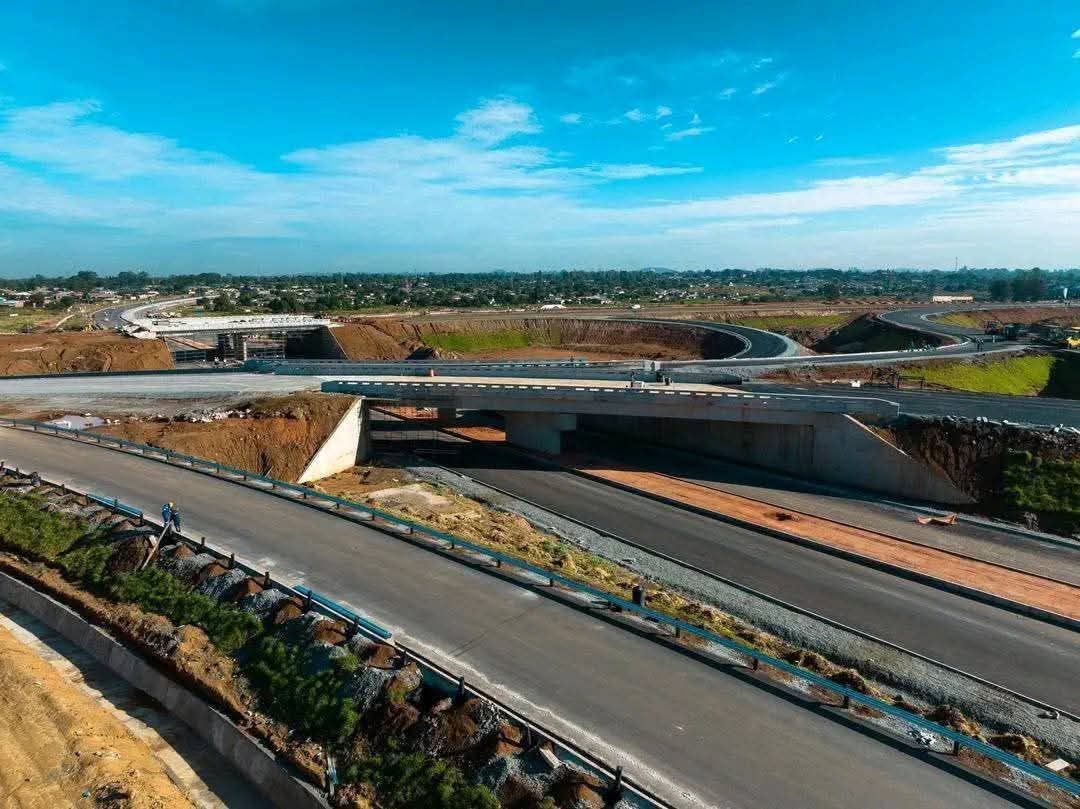
Construction at Umguza is visible proof that Zimbabwe's tolling modernisation has moved from press releases to poured concrete. The next tollgates slated for e-Tag lanes include Ntabazinduna (already live), Nyamapanda, and Forbes Border Post. The Victoria Falls tourism corridor — high-volume, high-value, time-sensitive — is the logical proving ground.
For the driver approaching Umguza in a few months: the RFID sticker on your windscreen will ping the gantry, the boom will rise, and you'll keep moving. No coins. No receipts. No queue. Just the road opening ahead. That's the promise. The infrastructure is being built to keep it.
Photo by Robynne O on Unsplash